Kanekalon hair is a popular choice for braiding and weaving due to its affordability, versatility, and natural appearance. However, many people are unsure whether or not they can dye kanekalon hair. The answer is yes, you can dye kanekalon hair, but it is important to use the right type of dye and follow the instructions carefully.
Dyeing kanekalon hair can be a great way to customize your look and achieve the perfect color for your desired style. It is also a relatively inexpensive way to change up your hairstyle without having to commit to a permanent color change. Kanekalon hair can be dyed using a variety of methods, including dip dyeing, ombr dyeing, and all-over color dyeing.
In this article, we will discuss the different methods of dyeing kanekalon hair, the best type of dye to use, and the steps involved in dyeing kanekalon hair safely and effectively. We will also provide some tips on how to care for your dyed kanekalon hair to keep it looking its best.
Can You Dye Kanekalon Hair?
Kanekalon hair is a popular choice for braiding and weaving due to its affordability, versatility, and natural appearance. However, many people are unsure whether or not you can dye kanekalon hair. The answer is yes, you can dye kanekalon hair, but it is important to use the right type of dye and follow the instructions carefully.
- Dye Type: Not all dyes are created equal. When dyeing kanekalon hair, it is important to use a dye that is specifically designed for synthetic fibers. Using the wrong type of dye can damage the hair.
- Preparation: Before dyeing kanekalon hair, it is important to prepare the hair by washing and conditioning it. This will help to remove any dirt or oil that could prevent the dye from adhering to the hair.
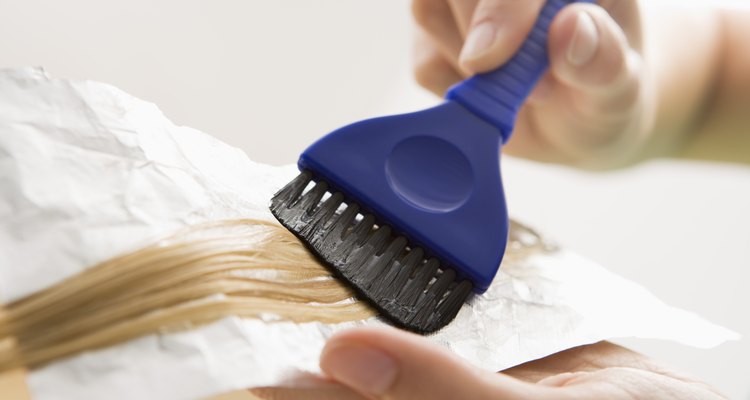
- Application: Kanekalon hair can be dyed using a variety of methods, including dip dyeing, ombr dyeing, and all-over color dyeing. The method you choose will depend on the desired look.
- Processing Time: The processing time for dyeing kanekalon hair will vary depending on the type of dye used and the desired color. It is important to follow the instructions on the dye package carefully.
- Rinsing: Once the processing time is complete, the hair should be rinsed thoroughly with cool water. This will help to remove any excess dye and prevent the color from bleeding.
- Drying: Kanekalon hair should be allowed to air dry completely before styling. This will help to prevent the color from fading.
Dyeing kanekalon hair can be a great way to customize your look and achieve the perfect color for your desired style. It is also a relatively inexpensive way to change up your hairstyle without having to commit to a permanent color change. By following the tips above, you can safely and effectively dye your kanekalon hair and enjoy your new look for weeks to come.
Dye Type
Different types of hair respond differently to different types of dye. Kanekalon hair is a synthetic fiber that is not as porous as human hair, which means that it does not absorb dye as easily. Using a dye that is not specifically designed for synthetic fibers can damage the hair, causing it to become brittle and break. It is important to read the instructions on the dye package carefully to make sure that the dye is suitable for use on kanekalon hair.
-
Facet 1: Understanding Dye Composition
Dyes are composed of various chemicals that interact with the hair's structure to produce color. Dyes specifically designed for synthetic fibers, like kanekalon, contain chemicals that are compatible with the fiber's composition, ensuring effective color absorption and minimal damage.
-
Facet 2: Avoiding Damage to Kanekalon Hair
Using dyes not intended for synthetic fibers can lead to severe damage. These dyes often contain harsh chemicals that can strip away the protective layer of kanekalon hair, making it weak, prone to breakage, and losing its natural luster.
-
Facet 3: Achieving Desired Color Results
Dyes formulated for synthetic fibers are designed to penetrate the hair's structure effectively. They provide vibrant, long-lasting color that resists fading and maintains the desired shade over time.
-
Facet 4: Ensuring Safe Dyeing Practices
Using the correct dye type is crucial for ensuring a safe dyeing process. Dyes not intended for synthetic fibers may release harmful fumes or cause allergic reactions. By choosing dyes specifically designed for kanekalon hair, you minimize the risk of adverse effects.
By understanding the importance of using the right dye type, you can achieve beautiful, vibrant color on your kanekalon hair while maintaining its health and integrity.
Preparation
Preparing kanekalon hair before dyeing is a crucial step that ensures the dye adheres evenly and produces the desired color results. Dirt, oil, and product buildup can create a barrier between the hair and the dye, preventing it from penetrating the hair shaft. Washing and conditioning the hair removes these impurities, allowing the dye to penetrate more easily and resulting in a more vibrant, long-lasting color.
Without proper preparation, the dye may not adhere evenly to the hair, leading to a patchy or uneven color. Additionally, dirt and oil can prevent the dye from fully penetrating the hair shaft, resulting in fading or brassiness over time.
By following the preparation step of washing and conditioning kanekalon hair before dyeing, you can increase the likelihood of achieving a successful and satisfactory dyeing experience. This simple step helps ensure that the dye adheres evenly, produces vibrant color, and lasts longer, enhancing the overall look and longevity of your colored kanekalon hair.
Application
Dyeing kanekalon hair involves selecting the appropriate application method based on the desired aesthetic outcome. Dip dyeing, ombr dyeing, and all-over color dyeing represent distinct techniques that cater to specific stylistic preferences.
-
Facet 1: Dip Dyeing - Creating Graduated Hues
Dip dyeing is a technique where the hair is partially submerged in dye, creating a graduated effect. This method is ideal for achieving vibrant tips or subtle color transitions, adding depth and dimension to the hair.
-
Facet 2: Ombr Dyeing - Seamless Color Blending
Ombr dyeing involves applying different shades of dye to create a gradual blend from one color to another. This technique mimics the natural lightening effect of sun-kissed hair, resulting in a soft and sophisticated look.
-
Facet 3: All-Over Color Dyeing - Uniform Transformation
All-over color dyeing is a method where the hair is completely immersed in dye to achieve a uniform color change. This technique is suitable for drastic color transformations or covering gray hair, providing a bold and vibrant look.
-
Facet 4: Method Selection Based on Desired Outcome
The choice of application method hinges on the desired look. Dip dyeing offers localized color, ombr dyeing creates gradual transitions, and all-over color dyeing provides a uniform transformation. Understanding these techniques empowers individuals to achieve their preferred hair color aesthetic.
Exploring the various application methods for dyeing kanekalon hair provides a comprehensive understanding of how to achieve specific color effects. By aligning the application technique with the desired look, individuals can effectively transform the appearance of their kanekalon hair, expressing their creativity and personal style.
Processing Time
The processing time for dyeing kanekalon hair is an important factor to consider in achieving the desired color results. Different types of dyes have specific processing times, and understanding these variations is essential for successful dyeing.
-
Facet 1: Dye Composition and Processing Time
The type of dye used influences the processing time. Permanent dyes typically require longer processing times to penetrate the hair shaft and create lasting color, while semi-permanent and temporary dyes have shorter processing times.
-
Facet 2: Desired Color and Processing Time
The desired color also affects the processing time. Achieving lighter shades may require longer processing times to lift the hair's natural pigment, while darker shades may require shorter processing times to deposit sufficient color.
-
Facet 3: Manufacturer's Instructions and Processing Time
It is crucial to follow the manufacturer's instructions carefully to determine the recommended processing time for the specific dye being used. Following these instructions helps ensure optimal color results and prevents potential damage to the hair.
-
Facet 4: Monitoring Processing Time for Optimal Results
Monitoring the processing time closely is essential to avoid over-processing, which can lead to dry, damaged hair. Regularly checking the hair's color and texture during the processing time allows for adjustments as needed.
Understanding the connection between processing time and dyeing kanekalon hair empowers individuals to achieve their desired color results while maintaining the health and integrity of their hair. By considering the type of dye, desired color, and manufacturer's instructions, individuals can confidently navigate the dyeing process and achieve beautiful, long-lasting color on their kanekalon hair.
Rinsing
The rinsing step after dyeing kanekalon hair is crucial to achieving long-lasting and vibrant color results. It serves several important purposes that contribute to the overall success of the dyeing process.
Firstly, rinsing removes any excess dye that may have not fully penetrated the hair shaft during the processing time. This prevents the color from bleeding or transferring onto other surfaces, such as clothing or bedding. Rinsing also helps to stop the dyeing process and ensures that the color does not become too dark or over-saturated.
Secondly, rinsing with cool water helps to close the hair cuticles. This seals in the dye and prevents it from fading or washing out prematurely. Cool water also helps to smooth the hair shaft, resulting in a more vibrant and lustrous appearance.
Finally, rinsing thoroughly removes any residual chemicals or impurities that may have been introduced during the dyeing process. This helps to prevent irritation or damage to the hair and scalp.
In summary, rinsing kanekalon hair thoroughly with cool water after dyeing is an essential step that helps to remove excess dye, prevent color bleeding, seal in the color, and maintain the health of the hair. By following this step carefully, individuals can ensure that their dyed kanekalon hair looks its best and lasts longer.
Drying
Drying kanekalon hair properly is a crucial step in the dyeing process to ensure the color's longevity and vibrancy. When hair is wet, the cuticles are open and more vulnerable to damage. Styling wet hair can cause friction, which can lead to color fading and breakage. Air drying allows the hair to dry naturally, minimizing damage and preserving the color.
Heat styling tools, such as blow dryers and flat irons, can also damage dyed kanekalon hair. The high temperatures can cause the hair to become dry and brittle, making it more susceptible to color fading. Additionally, using styling products on wet hair can weigh it down and prevent it from drying evenly, which can also lead to color fading.
By understanding the importance of air drying kanekalon hair before styling, individuals can protect their dyed hair from damage and extend its lifespan. Air drying is a simple and effective way to maintain the vibrancy and beauty of colored kanekalon hair.
Frequently Asked Questions About Dyeing Kanekalon Hair
Dyeing kanekalon hair can be a great way to change up your look and achieve the perfect color for your desired style. However, there are some common questions and concerns that people have before dyeing their kanekalon hair. Here are the answers to some of the most frequently asked questions about dyeing kanekalon hair:
Question 1: Can you dye kanekalon hair?Yes, you can dye kanekalon hair. However, it is important to use a dye that is specifically designed for synthetic fibers. Using the wrong type of dye can damage the hair.
Question 2: What type of dye should I use to dye kanekalon hair?You should use a dye that is specifically designed for synthetic fibers. These dyes are formulated to penetrate the hair shaft and deposit color without damaging the hair.
Question 3: How long should I leave the dye on my hair?The processing time will vary depending on the type of dye used and the desired color. It is important to follow the instructions on the dye package carefully.
Question 4: How do I care for my dyed kanekalon hair?To care for your dyed kanekalon hair, you should wash it with a gentle shampoo and conditioner. You should also avoid using heat styling tools and harsh chemicals.
Question 5: Can I bleach kanekalon hair?Yes, you can bleach kanekalon hair. However, it is important to use a bleach that is specifically designed for synthetic fibers. Using the wrong type of bleach can damage the hair.
Question 6: Where can I find more information about dyeing kanekalon hair?There are many resources available online and in libraries that can provide you with more information about dyeing kanekalon hair. You can also consult with a professional hair stylist for advice.
These are just a few of the most frequently asked questions about dyeing kanekalon hair. If you have any other questions, please don't hesitate to contact a professional hair stylist for advice.
Dyeing kanekalon hair can be a great way to change up your look and achieve the perfect color for your desired style. By following the tips and advice in this article, you can safely and effectively dye your kanekalon hair and enjoy your new look for weeks to come.
For more information on kanekalon hair care, please refer to the next section of this article.
Tips for Dyeing Kanekalon Hair
Dyeing kanekalon hair can be a great way to change up your look and achieve the perfect color for your desired style. However, there are some important things to keep in mind to ensure that your hair is dyed safely and effectively.
Tip 1: Use a Dye Specifically Designed for Synthetic Fibers
Not all dyes are created equal. When dyeing kanekalon hair, it is important to use a dye that is specifically designed for synthetic fibers. Using the wrong type of dye can damage the hair.
Tip 2: Prepare Your Hair Before Dyeing
Before dyeing your kanekalon hair, it is important to prepare it by washing and conditioning it. This will help to remove any dirt or oil that could prevent the dye from adhering to the hair.
Tip 3: Follow the Instructions Carefully
Each dye product will have its own specific instructions. It is important to follow these instructions carefully to ensure that your hair is dyed safely and effectively.
Tip 4: Rinse Your Hair Thoroughly
Once the processing time is complete, rinse your hair thoroughly with cool water. This will help to remove any excess dye and prevent the color from bleeding.
Tip 5: Avoid Heat Styling
Heat styling can damage dyed kanekalon hair. Avoid using heat styling tools, such as blow dryers and flat irons, on your dyed hair.
Tip 6: Use a Gentle Shampoo and Conditioner
To care for your dyed kanekalon hair, use a gentle shampoo and conditioner. Harsh chemicals can damage the hair.
Tip 7: Avoid Chlorine
Chlorine can damage dyed kanekalon hair. Avoid swimming in pools or hot tubs if you have dyed your hair.
Tip 8: Get Regular Trims
Regular trims will help to remove any split ends and keep your dyed kanekalon hair looking its best.
By following these tips, you can safely and effectively dye your kanekalon hair and enjoy your new look for weeks to come.
For more information on kanekalon hair care, please refer to the next section of this article.
Conclusion
Dyeing kanekalon hair is a great way to change up your look and achieve the perfect color for your desired style. However, it is important to use the right type of dye and follow the instructions carefully to avoid damaging the hair.
By following the tips in this article, you can safely and effectively dye your kanekalon hair and enjoy your new look for weeks to come. With proper care and maintenance, your dyed kanekalon hair will look beautiful and vibrant for a long time.
Youtube Video:




No comments:
Post a Comment